Key Evidence to Gather After a Severe Roadway Collision
Why Evidence Matters in Serious Accidents
The moments after a severe roadway collision are often chaotic. Emergency responders arrive, medical attention takes priority, and the scene may be cleared quickly. Yet the physical and digital evidence left behind can tell the story of what actually happened. For anyone involved in a crash that results in catastrophic injury or complex liability questions, knowing what to preserve and document can make the difference between a clear case and a confusing one. This is especially true when the accident involves a motorcycle, where the rider has little protection and the forces involved can cause life-altering injuries. Below is a practical checklist of what to look for and why each piece of evidence matters.
Vehicle and Scene Photography
Photographs are the most straightforward way to capture conditions that will change. The positions of all vehicles after impact, the direction they faced, and the debris field all matter. Take wide shots of the entire intersection or stretch of road, then medium shots of each vehicle, and close-ups of damage, tire marks, and any broken parts. If a commercial carrier is involved, photograph the truck or bus from multiple angles, including its license plate, USDOT number, and any visible cargo. The reason is simple: photographs taken at the scene can later confirm or contradict witness statements and driver accounts. Shadows, weather, and lighting conditions should also be captured, as they affect visibility and road traction.
Black Box Data and Electronic Logs
Many modern vehicles, especially commercial carriers, are equipped with event data recorders, commonly called black boxes. These devices record speed, brake application, steering angle, and sometimes seatbelt use in the seconds before impact. For trucking accidents, driver logs and hours-of-service records are also critical. They show whether the driver was fatigued, speeding, or violating regulations. Requesting that this data be preserved immediately is essential because it can be overwritten or lost if the vehicle is repaired or moved to a salvage yard. An attorney with experience in crash reconstruction will know how to issue a spoliation letter to prevent destruction of this evidence.
Helmet and Protective Gear Evidence
In motorcycle crashes, the rider's helmet and protective clothing can provide important clues about the force and direction of impact. A damaged helmet may show where the head struck a vehicle or the pavement, which can help reconstruct the rider's trajectory. The type of helmet, whether it was fastened properly, and whether it met safety standards are all relevant. While this evidence does not determine fault, it can help explain the mechanism of injury and support claims for catastrophic injury damages. Keep the helmet and gear in the condition they were found, and do not clean or alter them. Store them in a clean, dry place until an expert can examine them.

Road Conditions and Environmental Factors
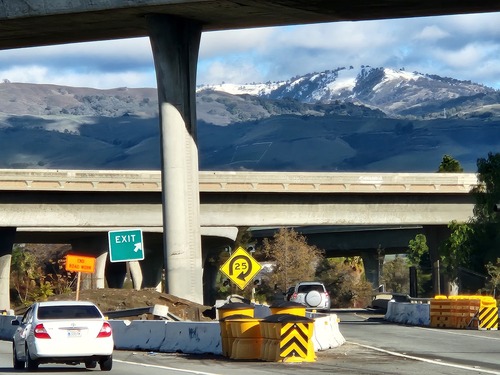
Road surface quality, weather, lighting, and signage all contribute to accident causation. Potholes, loose gravel, oil slicks, or construction zones can make a road treacherous, especially for a motorcycle. Photograph the road surface, any skid marks, and the position of traffic control devices. Note whether streetlights were working and whether any obstructions, such as parked cars or vegetation, blocked a driver's view. If the accident happened at night, check for reflectivity of signs and lane markings. These factors can shift liability from a driver to a government entity or a construction company, especially if poor maintenance or design played a role. In many cases, multiple defendants may be responsible, including the driver, their employer, and the entity responsible for the road.
Witness Statements and Contact Information
Eyewitnesses can provide an independent account of the crash. Their testimony may confirm the sequence of events, the speed of the vehicles, or whether a driver ran a red light. Get their names, phone numbers, and email addresses. If they are willing, ask them to describe what they saw in their own words and record it on a phone or write it down. Be cautious: witnesses may disagree or be mistaken, so it is wise to collect as many accounts as possible. Avoid discussing fault with them or with the other driver. Simply gather the information and let the investigation proceed.
Police Reports and Official Documentation
The responding officer's report is a key document. It typically includes a diagram of the scene, the officer's observations, citations issued, and a preliminary opinion on fault. Obtain a copy of the report as soon as it is available, usually within a few days. Review it carefully for errors. Officers sometimes misstate vehicle positions, speeds, or weather conditions. If the report contains mistakes, they should be noted and corrected through proper channels. The report is admissible in court and can strongly influence insurance adjusters and juries.

Medical Records and Injury Documentation
Severe roadway accidents often produce catastrophic injuries that require extensive treatment. Document every medical visit, diagnosis, and procedure. Keep copies of emergency room records, radiology reports, surgical notes, and rehabilitation plans. Photograph visible injuries over time to show the healing process or lack thereof. These records connect the crash to the physical harm and help quantify damages. They also help an expert witness, such as a biomechanical engineer, explain how the forces in the crash caused the specific injuries. For a motorcycle accident attorney, medical evidence is the foundation for proving the extent of pain and suffering and the need for future care.
Preserving Evidence and Seeking Legal Help
Evidence can disappear quickly. Vehicles are repaired, skid marks fade, and memories fade. The best approach is to act immediately. Secure the vehicle and any parts, download electronic data, and photograph the scene before anything changes. If you are not able to do this yourself, ask a family member or friend to help. At The Jagroop Law Office, Inc., the focus is on helping accident victims in Hayward understand their rights and pursue fair compensation. Their team can coordinate with crash reconstruction experts, secure electronic data, and build a case that accounts for all the evidence. The sooner you consult with them, the better your chance of preserving what matters.
Gathering evidence after a severe roadway accident is not just about proving fault. It is about telling the complete story of what happened and why. For a motorcycle rider, the stakes are especially high because the injuries are often severe and the legal issues complex. Whether the case involves a commercial carrier, multiple defendants, or disputed liability, the evidence you collect in the first days and weeks can shape the outcome. Working with a knowledgeable attorney who understands crash reconstruction and the value of each piece of evidence is essential. The Jagroop Law Office, Inc. provides that kind of guidance for Hayward accident victims, helping them navigate the legal process after a life-changing event.